.svg)
How Food Rescue Turned 297,000 lbs of Peppers Into Meals Across Canada
June 23, 2026

June 23, 2026
In early 2026, more than 297,000 lbs of frozen, diced peppers sat in a cold storage facility in Ontario with no end destination. The peppers were high quality, imported from Turkey and intended to reach plates in Canada. But when the company that imported them went out of business, their journey to becoming meals abruptly came to a halt.
What remained was a massive volume of nutritious food without a path forward, at risk of being destroyed and wasting all the resources that went into growing and transporting it.
This is a lesser-seen reality of Canada’s food system. Much of the food we rely on travels long distances and passes through many hands before it reaches our plates. When one link in that chain breaks, even perfectly good food can be left without a way to get where it’s meant to go.
Beyond the loss of resources was the loss of opportunity to turn nutritious food into meals for people at a time when food insecurity is at a crisis point in communities across the country. Second Harvest's team got to work, connecting with partners across our network to identify the storage, processing and distribution capacity to move the peppers where they were needed most.
Packaged in large bulk totes, the peppers had to be repackaged before distribution to fit the realities of community kitchens, food programs and household use.
The majority, 258,000 lbs, were sent to Moisson Montréal, where they were quickly repackaged into 1-kg bags and distributed across a network of 292 community organizations.
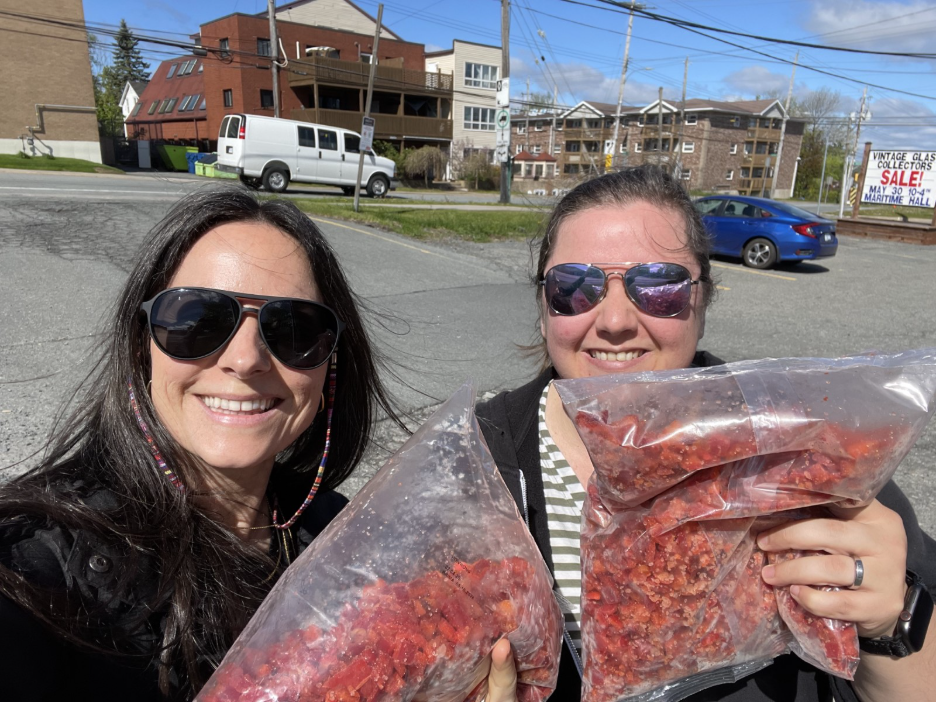
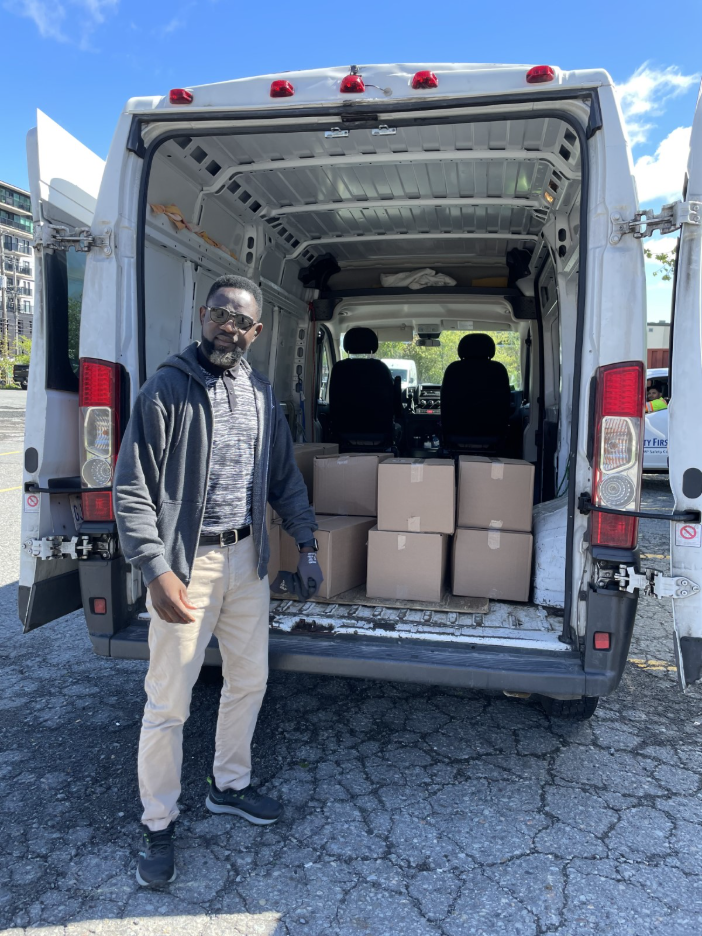
After repackaging, a full truckload made its way further east to Nova Scotia. With support from storage partners in Dartmouth, the peppers were released gradually into the community. Feed Nova Scotia began distributing multiple pallets each week to its network of 130 food banks. Upward Mobility Kitchen is using rescued ingredients, including these peppers, to prepare 4,000 meals for people experiencing hunger in Halifax.
A community distribution event organized in partnership with the Halifax Community Food Truck in late May brought 16 local organizations together. Each organization took only what fit its capacity, ensuring the food could be used thoughtfully and without waste. In a single day, 2,800 lbs of peppers were moved into community use and on toward meals.
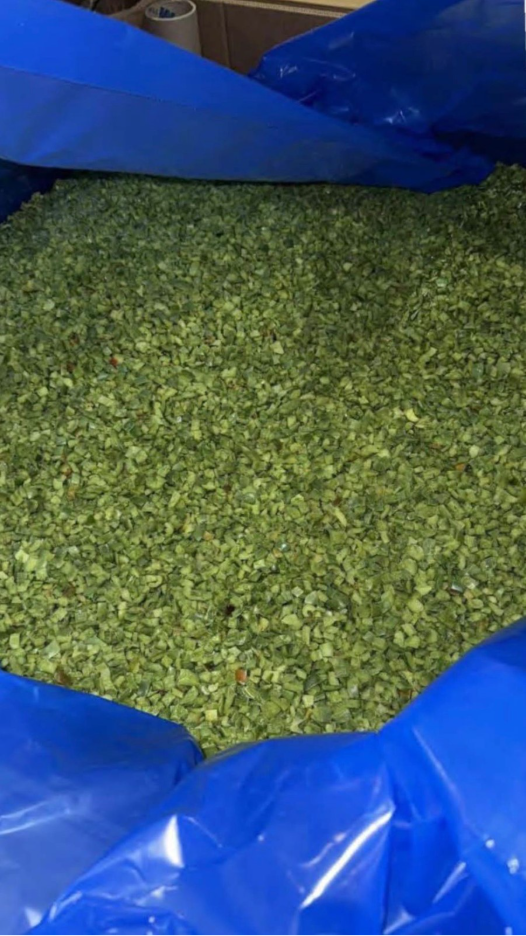
In Ontario, 39,000 lbs of peppers were set aside for dehydration. With the support of storage partners and Niagara Christian Gleaners, the peppers were processed in batches and transformed into shelf-stable vegetable packs. By preserving the peppers in this format, their shelf life was extended and their reach expanded, supporting both local communities and international food aid efforts.
Across every step of this journey, the focus remained the same: making food usable and ensuring it could be shared in ways that respect the needs and dignity of the people receiving it.
These peppers travelled thousands of kilometres before arriving in Canada. Their second journey — through collaboration between warehouses, processors, food banks and community organizations — brought them to the table.